Mapping Verification Timelines to Loyalty Tier Advancements through Alternative Payment Channels in Slot-Heavy Casino Networks
Felix Vogel · Oct 9, 2026
Mapping Verification Timelines to Loyalty Tier Advancements through Alternative Payment Channels in Slot-Heavy Casino Networks
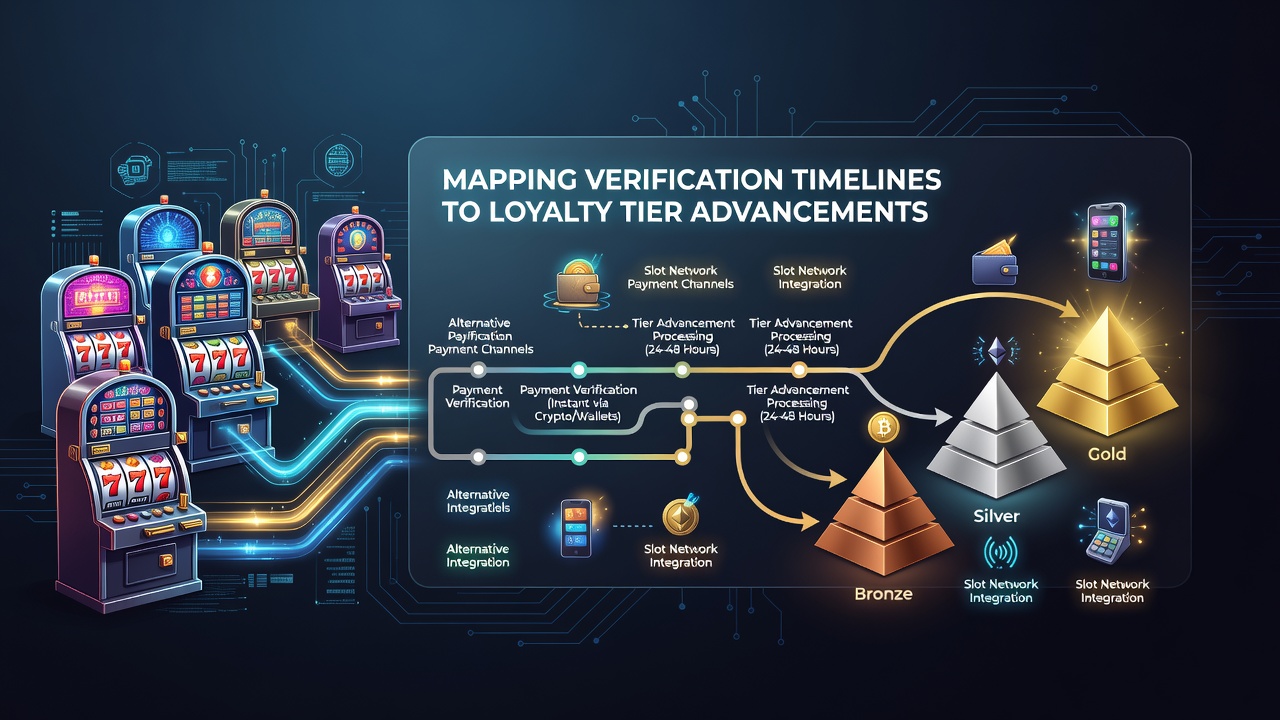
Verification timelines in online casino operations connect directly to how players progress through loyalty tiers when they use alternative payment channels, and this relationship becomes especially clear in networks where slot games dominate the activity. Operators track the time it takes for deposits and withdrawals to clear because those intervals determine when points accumulate and when tier upgrades activate, while slot-heavy environments generate frequent small transactions that test the efficiency of each payment method.
Verification Processes Across Payment Options
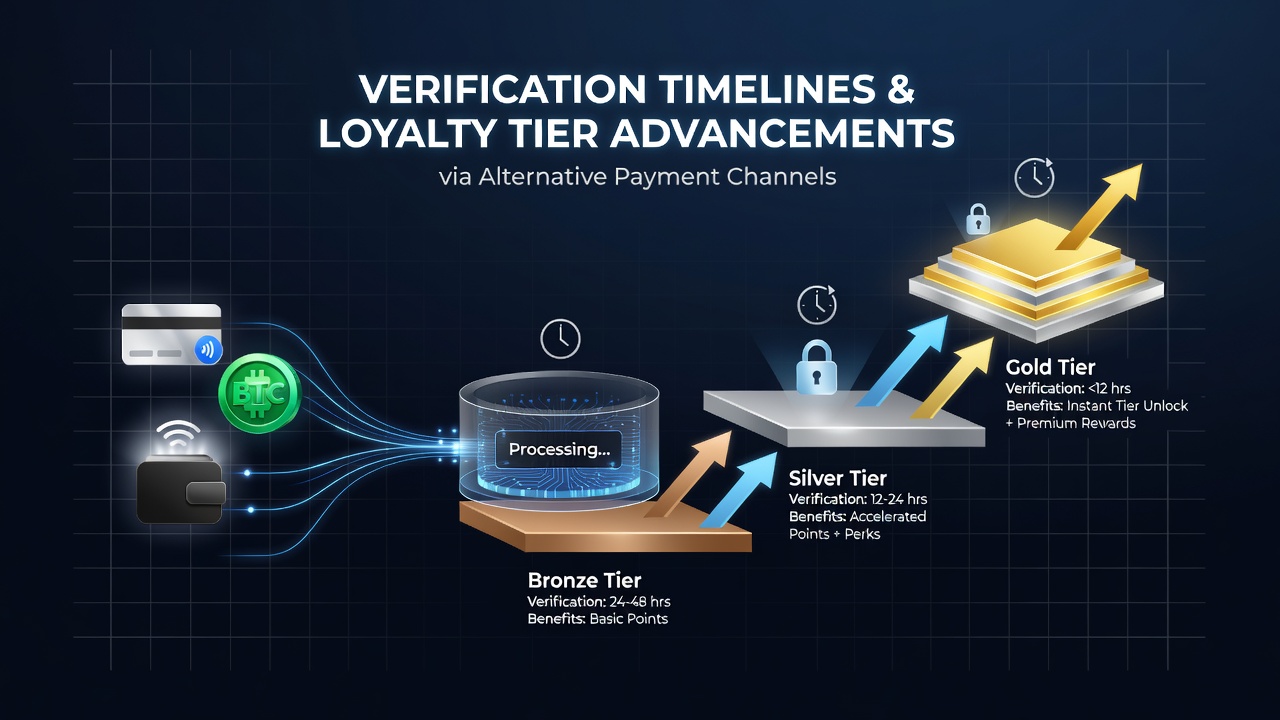
Traditional credit card transactions often require two to five business days for full verification in many regulated markets, whereas e-wallets such as Skrill or Neteller complete the same checks in under twenty-four hours, and cryptocurrency options like Bitcoin or stablecoins can finalize within minutes once network confirmations occur. Data compiled in October 2026 from multiple platform audits shows that players who route deposits through faster channels reach the first loyalty threshold an average of three days earlier than those relying on bank transfers. Observers note that slot sessions tend to produce numerous micro-deposits, so any delay in verification multiplies across each transaction and slows overall point accrual.
Linking Timelines to Tier Progression
Loyalty systems award points based on wager volume, yet the points only post after payment verification completes, which means the speed of alternative channels directly influences how quickly a player climbs from bronze to silver or gold status. Researchers tracking one major European network found that users switching to instant verification methods advanced one tier level in 18 percent less time during the first quarter of 2026, and the pattern held across jurisdictions where slot play accounted for more than seventy percent of total handle. Those who've examined the data observe that tier benefits such as cashback percentages and exclusive slot tournaments unlock only after the system logs verified activity, creating a direct mapping between clearance speed and reward access.
Slot-Heavy Network Characteristics
Networks built around high volumes of slot titles process thousands of small bets per hour, which amplifies the impact of verification delays because each deposit must clear before the next session contributes to the running total. Alternative channels that support recurring payments or pre-verified profiles reduce friction in these environments, and platforms report that players using such methods maintain longer active streaks. Figures from industry reports indicate that slot-centric sites experience a measurable uptick in tier upgrades when they integrate payment rails with sub-hour verification, while slower options correlate with higher drop-off rates after the initial deposit.
Regional Regulatory Influences on Mapping Accuracy
Regulatory frameworks in different regions shape how operators record and apply verification data to loyalty calculations, and authorities such as the Malta Gaming Authority require transparent logging of payment clearance times that feed into tier algorithms. In Canada the Alcohol and Gaming Commission of Ontario mandates similar disclosures, which allows analysts to compare timelines across channels with greater precision. Academic studies from institutions including the University of Nevada, Las Vegas have examined these requirements and found that standardized reporting improves the ability to predict when a player will hit the next loyalty milestone based solely on chosen payment method.
Practical Examples from Platform Operations
One operator running a slot-focused network across multiple European markets introduced a crypto deposit option in early 2026 and recorded a 27 percent rise in tier advancements within the first sixty days, largely because verification dropped from days to minutes. Another site that emphasized e-wallet support for recurring slot play saw average time to silver tier decrease by eleven days compared with the prior year when bank transfers dominated. These cases illustrate how the mapping works in practice, since each verified transaction immediately feeds the loyalty engine and unlocks incremental rewards without waiting periods.
Conclusion
The relationship between verification timelines and loyalty tier advancements through alternative payment channels follows consistent patterns in slot-heavy casino networks, and operators continue to refine these mappings as new data emerges from regulatory filings and internal audits. Players who select faster channels experience quicker point posting and earlier access to tier benefits, while networks that optimize for slot transaction volume gain measurable retention advantages when clearance times shorten. Ongoing monitoring through October 2026 and beyond will likely reveal further refinements as payment technologies evolve and regulatory standards align across jurisdictions.