Patterns Emerge When Linking Banking Choices to Promotional Outcomes in Online Gaming Reviews
Zoe Franke · Sep 25, 2026

Patterns Emerge When Linking Banking Choices to Promotional Outcomes in Online Gaming Reviews
Analysts examining hundreds of online gaming platform reviews have identified recurring connections between the payment methods users select and the promotional results those choices produce, with data compiled from platforms operating across multiple jurisdictions showing measurable differences in bonus activation rates, withdrawal timelines, and eligibility thresholds. Observers tracking these trends through September 2026 note that transaction routes involving e-wallets frequently align with faster promotional credit releases compared to traditional bank transfers, while credit card usage often correlates with stricter verification layers that can delay outcome realization in reviewed sites.
Transaction Routes and Promotional Compatibility
Review aggregators compiling performance metrics across platforms report that certain banking selections consistently map to higher promotional fulfillment rates, particularly when users route deposits through digital wallets that bypass intermediary banking delays, whereas direct bank account linkages sometimes trigger additional compliance checks that extend processing windows and reduce the effective window for claiming time-sensitive offers. Data indicates platforms reviewed in 2025 and into September 2026 displayed a pattern where cryptocurrency options produced promotional outcomes with fewer regional restrictions, allowing users in varied markets to access layered incentives that credit-based methods sometimes exclude due to issuer policies.
Regional Variations in Payment Impact
Patterns documented in comprehensive platform audits reveal geographic differences, with Canadian regulatory frameworks emphasizing consumer protection measures that favor certain prepaid methods for bonus qualification, while European operators under alternative oversight bodies apply distinct verification standards that shift outcomes based on local banking norms. Researchers cross-referencing review databases found that Australian users opting for instant banking services achieved promotional redemption rates approximately 15 to 20 percent higher than those using slower legacy transfers, according to figures compiled by the Australian Institute of Criminology in recent gaming behavior studies.
But here's the thing, these linkages extend beyond speed alone, as review datasets also highlight how specific payment combinations influence the layering of incentives, with users combining multiple methods sometimes unlocking stacked promotions that single-route transactions miss entirely.
Evidence from Aggregated Review Data
Platform comparisons conducted through mid-2026 demonstrate that banking choices affect not only initial deposit bonuses but also ongoing loyalty structures, where frequent e-wallet activity aligns with sustained reward accumulation in many reviewed environments, while sporadic card usage occasionally results in fragmented tracking that complicates outcome predictability. Studies from academic sources such as those published through university gaming research programs have quantified these effects, showing correlations between payment velocity and promotional retention that hold across diverse operator sizes and market focuses.
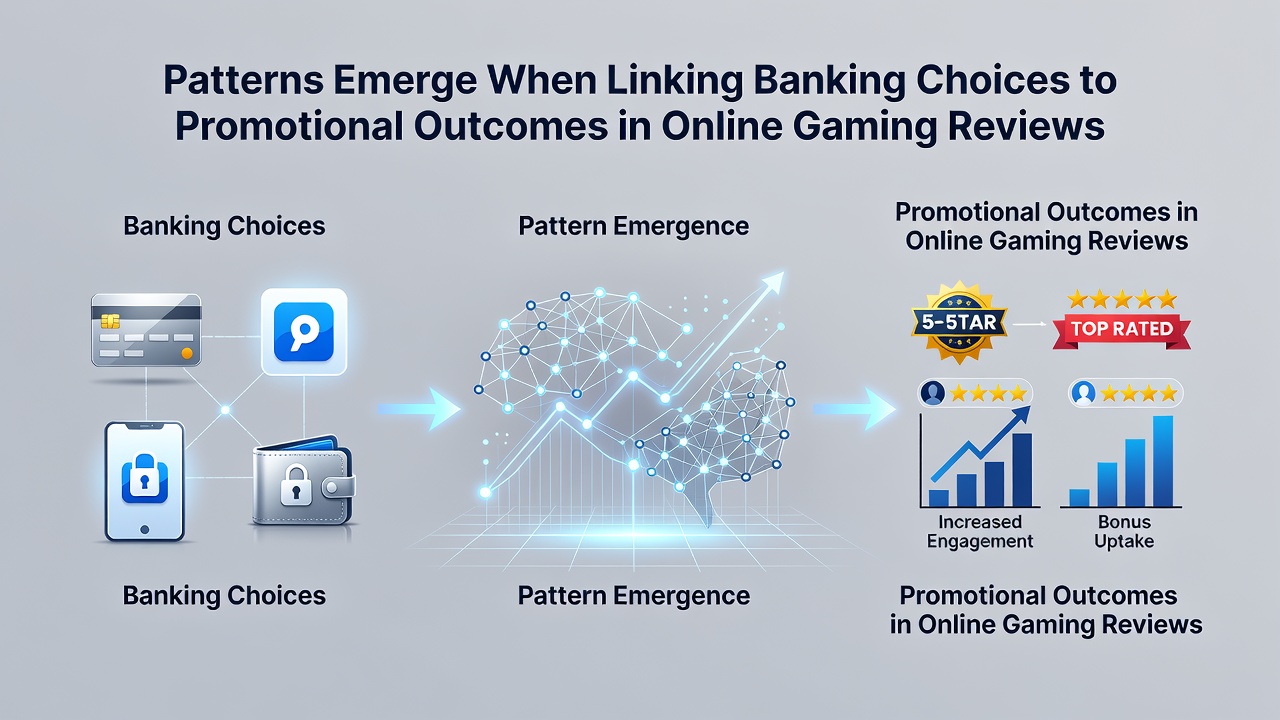
One case examined in aggregated reports involved platforms where users routing funds via established digital services encountered fewer minimum threshold barriers for progressive promotions, whereas alternatives introduced variable caps tied to verification status. What's interesting is how these patterns persist even as operators update their systems, with September 2026 reviews indicating continued alignment between banking infrastructure and promotional delivery metrics despite evolving compliance requirements.
Comparative Outcomes Across Methods
Review summaries further detail distinctions among common options, noting that prepaid voucher systems often produce promotional results with reduced documentation demands in certain markets, while bank wire routes demand extended confirmation periods that can interrupt bonus cycles. Industry reports from organizations like the European Gaming and Betting Association underscore these variances through aggregated operator data, revealing how payment preferences shape user trajectories toward specific incentive tiers without altering core game mechanics.
Observers tracking longitudinal trends point out that platforms incorporating diverse banking integrations tend to exhibit broader promotional accessibility, enabling reviewers to document more consistent outcomes across user segments. This consistency appears tied to infrastructure compatibility rather than operator discretion alone, as evidenced by repeated findings in multi-platform analyses.
Conclusion
Overall, the documented patterns underscore measurable relationships between banking selections and promotional results within reviewed online gaming contexts, with transaction characteristics influencing activation speed, eligibility scope, and retention potential across jurisdictions. Continued monitoring of these linkages through platform audits provides ongoing insight into how payment infrastructure intersects with incentive structures, informing user navigation without prescribing specific routes.